
Lubrication and maintenance of bronze bushings
A bronze bushing does not wear out; it is worn out by the absence of lubricant, by dirt, or by a shaft that was never right. This note covers what to lubricate with, how often, how the grooves should be cut, and how to read a used bushing.
Cast and wrapped bronze bushings need an external lubricant: an NLGI 2 lithium or lithium-complex grease with EP additives for slow, heavy joints, or a mineral or synthetic oil of ISO VG 68–220 for continuous rotation. Relubricate before the old grease is exhausted, typically every 8–50 operating hours on construction machinery and every 250–1,000 hours on lightly loaded machines, and use grooves and holes that carry lubricant to the loaded side of the bore.
- C93200 / SAE 660 bronze, greased: 45 N/mm² static, 25 N/mm² moving, 0.5 m/s. Higher speeds need a full oil film; dry running is a failure mode, not a rating.
- Grease: NLGI 2, lithium or lithium-complex, EP additive, base oil ISO VG 150–460 for slow heavy joints. Avoid greases with solid MoS₂ in bushings with oil holes under 3 mm.
- Oil: ISO VG 68 for fast light shafts up to ISO VG 220 for slow heavy ones; circulating or bath lubrication for continuous rotation above about 1 m/s.
- Where relubrication is impossible, change the bushing, not the schedule: graphite-plugged bronze, sintered oil-impregnated bronze or PTFE composite.
Why bronze bushings need lubrication
A bronze bushing works by sliding. Under load, the shaft and the bronze bore are separated by a lubricant film; where the film is thin, the tin bronze surface tolerates contact without welding to the steel, and the lead in leaded grades smears into a temporary film. That tolerance is why bronze is the classic bearing material, but it is a margin measured in minutes, not a way of running. Without lubricant the friction coefficient rises from about 0.05 to 0.3 or more, heat builds at the contact, the bronze softens and transfers to the shaft, and the joint seizes or wears oval.
The lubricant also does two things that have nothing to do with friction: it carries heat out of the contact, and it flushes the abrasive particles that a joint on a machine always collects. A bushing with clean grease weeping from its ends is doing exactly what it should.
Grease or oil?
Grease for slow, heavy, intermittent motion where the lubricant must stay put between service intervals: pivot pins on excavators, loaders, cranes, agricultural implements, presses and gates. Oil for continuous rotation, higher speed, or where heat must be carried away: gearbox and pump bushings, spindles, rolls. The break point is around 0.5 m/s sliding speed, the rated limit for greased cast bronze; above it oil is needed to remove heat and the bushing must run on a full oil film.
For bushings the grease consistency is NLGI 2 in almost every case; NLGI 1 only for centralised systems with long lines in cold climates. The thickener should be lithium or lithium-complex for general service, calcium-sulphonate for wet and marine joints. Extreme-pressure additives are wanted on heavily loaded slow joints; solid additives such as molybdenum disulphide or graphite are fine in open pivots but can block small feed holes and pack grooves in fine-clearance bushings.
Lubricant selection for bronze bushings
| Duty | Lubricant | Viscosity / grade | Notes |
|---|---|---|---|
| Slow, heavy pivots (construction, agriculture) | EP grease | NLGI 2, base oil ISO VG 220–460 | Lithium-complex; calcium-sulphonate if wet |
| Light, intermittent motion (gates, levers, fixtures) | General grease | NLGI 2, base oil ISO VG 100–150 | Lithium; relubricate at inspection |
| Continuous rotation, moderate speed (pumps, conveyors) | Mineral or synthetic oil | ISO VG 68–150 | Bath, wick or drip feed |
| Continuous rotation, heavy load, slow | Oil | ISO VG 150–220 | Circulating preferred to remove heat |
| High temperature (150–250 °C) | Synthetic grease or oil | Polyurea or PFPE grease; synthetic oil | Check the bushing rating: C93200 to +250 °C |
| Food or drinking-water contact | H1 food-grade grease/oil | Per equipment standard | Leaded bronze itself may be excluded; ask |
How often to relubricate
A grease-lubricated bushing must be relubricated before the old grease is exhausted, oxidised or contaminated, and the interval is set by load, motion, temperature and dirt rather than by the calendar. Machine builders publish schedules; where none exists, the table gives working starting points that should be shortened when a joint runs hot, sees water or dust, or is under continuous load.
Pump grease until clean grease appears at both ends of the bushing, with the joint unloaded if possible so the fresh grease reaches the loaded arc. Do not over-pressurise sealed joints: a hand gun at 3–4 strokes is enough for most pins; a pneumatic gun can push out the seals. Wipe the fitting before and after.
Relubrication intervals for greased bronze bushings (starting points)
| Application | Interval | Quantity |
|---|---|---|
| Excavator boom, arm and bucket pins | Every 8–10 operating hours; daily | Until fresh grease shows at both ends |
| Loader, crane and forestry pivots | Every 10–50 hours | Until fresh grease shows |
| Agricultural implement pivots | Daily in season; before storage | 2–3 strokes per fitting |
| Presses, gates, indexing tables | Weekly to monthly | 1–2 strokes |
| Light machinery, occasional motion | Every 250–1,000 hours or at inspection | Small charge, wipe excess |
| Oil-lubricated pump and gearbox bushings | Follow oil-change interval; check level weekly | Maintain level or flow |
Halve the interval for joints that run hot, wet or in abrasive dust. The correct interval is the longest one at which the purged grease is still clean.
Oil grooves, holes and pockets
Lubricant has to reach the loaded side of the bore. A grease fitting in the housing feeds a radial hole in the bushing; from there a groove pattern spreads the grease along the length and around the bore. The groove should start at the feed hole and end short of the bushing ends so that lubricant is not simply pushed out. Grooves must stay out of the most heavily loaded arc, because a groove there interrupts the film exactly where it is needed; feed at the unloaded side and let the pattern carry the grease into the load.
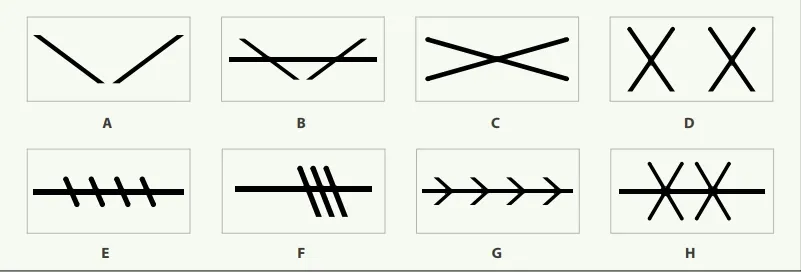
For rotation, one or two straight axial grooves or a single spiral are enough. For oscillating pins, which never sweep the whole bore, a figure-of-eight or crossed spiral pattern, or diamond pockets as in wrapped bronze bushings, keep lubricant in the small arc that actually moves. Groove width is typically 8–12 % of the bore diameter and depth about half the width, with rounded edges. A bore with no groove at all relies on the grease at the ends and on the running clearance; it works for short bushings under light load only.
On the drawing, locate the feed hole angularly relative to the load direction and axially from a datum face. “Oil hole” without a position leaves the machinist to guess.
Installation and running-in
Most bushing failures blamed on lubrication began at assembly. Press the bushing in square with a stepped arbor that bears on the end face, never with a hammer on the bronze; check the bore after pressing because a thick-wall bushing in a light housing may close by part of the interference and a thin-wall wrapped bushing will close by all of it. Ream or hone the installed bore to the running clearance when the drawing calls for it. Coat the bore and the shaft with the service lubricant before assembly; a dry start on bronze marks the bore in the first revolutions.
Run the joint in under reduced load and speed for the first hours where the machine allows, relubricate at the end of running-in, and check the temperature by hand: a bronze bushing that is too hot to touch after ten minutes at load is telling you about clearance or alignment, not about grease.
Reading a worn bushing
A used bushing is a report on the joint. Before replacing it, look at where and how it wore.
- Even, dull wear on the loaded arc, bore still round: normal end of life. Replace, keep the lubricant and schedule.
- Bright, smeared or torn bronze, transfer on the shaft, blued heat marks: lubricant starvation or too little clearance. Shorten the interval, check the feed path and the fit.
- Deep scores along the axis, embedded particles: abrasive contamination. Add or repair seals, flush more often, consider a harder shaft.
- Wear concentrated at one end: misalignment or a bent pin. Correct the alignment; a longer bushing will not fix it.
- Bushing turned or walked in the housing, fretting on the outside: too little interference or a worn housing. Re-size the housing or use a flanged or pinned bushing.
- Bore oval in the load direction with the surface still good: overload or excessive clearance. Check the specific load against the alloy limit.
When to stop lubricating and change the bushing
If a joint cannot be reached, is inside a sealed assembly, runs above the temperature at which grease survives, or is simply forgotten in service, the answer is a bushing that carries its own lubricant. Graphite-plugged bronze runs dry at slow speed with the graphite smearing a film from the plugs, and takes the same envelope as a machined bronze bushing. Sintered bronze impregnated with oil serves light, faster duties in motors and appliances. PTFE composite bushings run dry at higher speed and lower load, in a thin steel-backed wall. Each of these is a different product with its own limits, and our engineers will say when one of them fits better than another grease schedule.
Frequently asked questions
Can bronze bushings run without lubrication?
Cast and wrapped bronze cannot. They tolerate a short interruption thanks to the tin bronze structure and the lead in leaded grades, but dry running raises friction several times and ends in seizure or rapid wear. For unlubricated duty use graphite-plugged bronze, oil-impregnated sintered bronze or a PTFE composite bushing.
What grease is best for bronze bushings?
An NLGI 2 lithium or lithium-complex grease with EP additives and a base oil viscosity of ISO VG 150–460 for slow, heavy joints; a lighter general-purpose lithium grease for light duty. Use calcium-sulphonate grease for wet or marine joints and a synthetic grease above about 130 °C.
How often should I grease a bronze bushing?
Before the old grease is exhausted: daily on excavator pins, every 10–50 hours on other heavy mobile equipment, weekly to monthly on presses and gates, and at inspection on light machinery. Purge until clean grease appears at both ends.
Should I use grease or oil for a bronze bushing?
Grease for slow, heavy, intermittent motion where lubricant must stay in the joint; oil for continuous rotation, higher speed or where heat must be removed. Above roughly 1 m/s sliding speed plan on oil.
Do oil grooves weaken a bronze bushing?
Not meaningfully at the usual 8–12 % of bore width, but a groove in the loaded arc interrupts the film where it matters. Place the feed hole and grooves on the unloaded side and let the pattern carry lubricant into the load.
Can I use molybdenum disulphide grease in bushings?
In open pivots with generous clearance, yes. In bushings with small feed holes and fine clearance the solid particles can block the hole and pack the grooves; use a plain EP grease there.
A joint that keeps eating bushings?
Send the drawing, the lubricant and the duty cycle. Our engineers will say whether the fix is the groove pattern, the clearance, the alloy or a self-lubricating bushing, and quote it within 12 hours.