
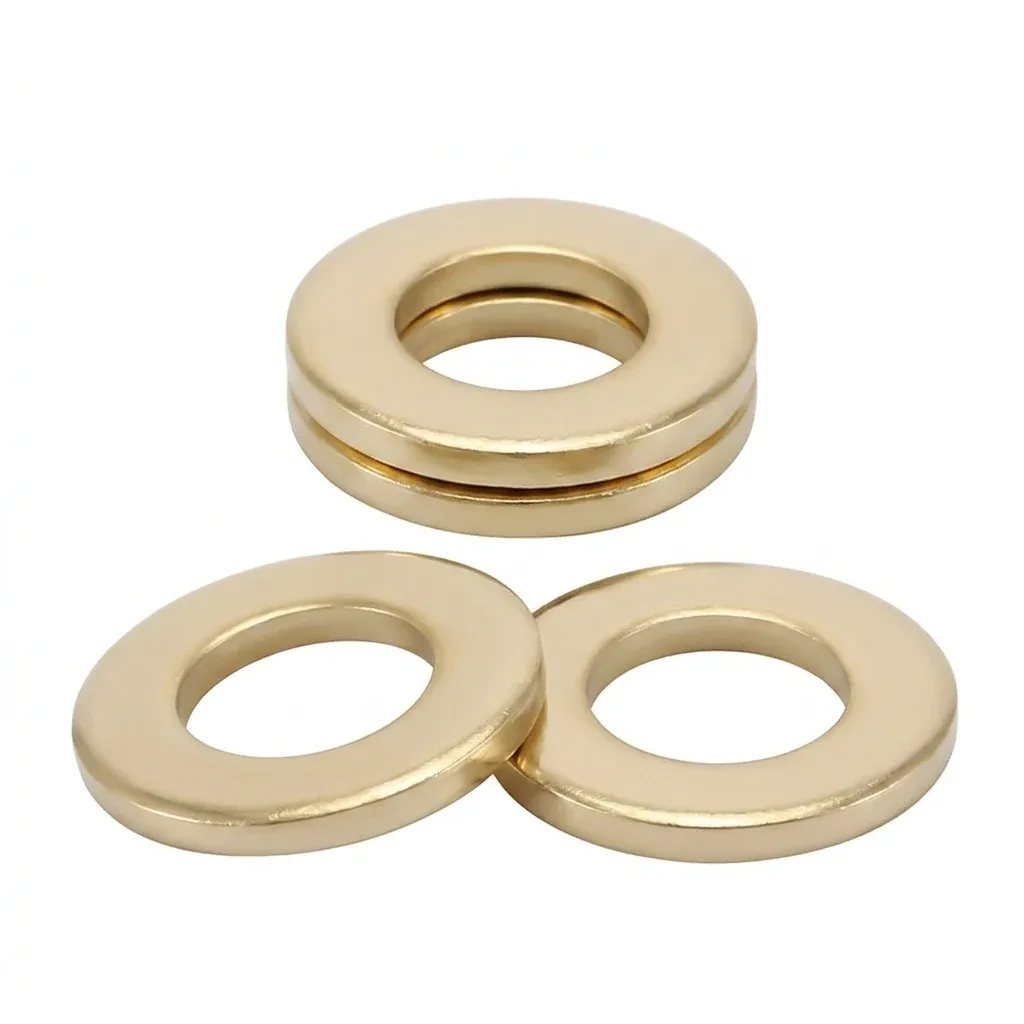
Brass bushings
Copper-zinc alloy bushings for two very different jobs: free-cutting brass (C36000 / CuZn39Pb3) for light-duty guides, spacers, pivots and washers where machinability and price matter more than wear life, and high-strength brass C86300 (“manganese bronze”, 225 HB) for the heaviest, slowest loads in bushing service. Machined to drawing, Ø3–1000 mm.
- 100Machinability, C36000
- 225 HBHardness, C86300
- 758 N/mm²Tensile, C86300
- Ø3–1000 mmMachining range
Brass is copper with 30–40 % zinc. Free-cutting brass machines faster than any other bushing alloy (rating 100) and costs less per kilogram than tin bronze, but it is harder and less wear-resistant against steel than bearing bronze and dezincifies in water, so it is used for lightly loaded, lubricated or low-cycle positions. High-strength brass C86300 is a different material: alloyed with aluminium, manganese and iron to 758 N/mm² and 225 HB, it is the hardest bearing alloy Bushing MFG machines and is used for extreme loads at near-zero speed on hardened shafts.
- JBM-640 free-cutting brass C36000 / CuZn39Pb3 (CW614N): 80–130 HB, 340–500 N/mm², machinability 100; light duty
- JBM-630 high-strength brass C86300 / SAE 430B / CuZn25Al5Mn4Fe3-C: 225 HB, 758 N/mm² min.; extreme load, very low speed, hardened shaft ≥ 300 HB
- Dezincification-resistant grades for water on request
- Sleeves, flanged bushings, thrust washers, spacers and machined parts, metric and inch, to drawing
- No published bearing rating for C36000; C86300 limits given with the quotation
Two brasses, two jobs
Do not confuse them: one is the cheapest bushing alloy, the other the hardest.
Free-cutting brass bushings
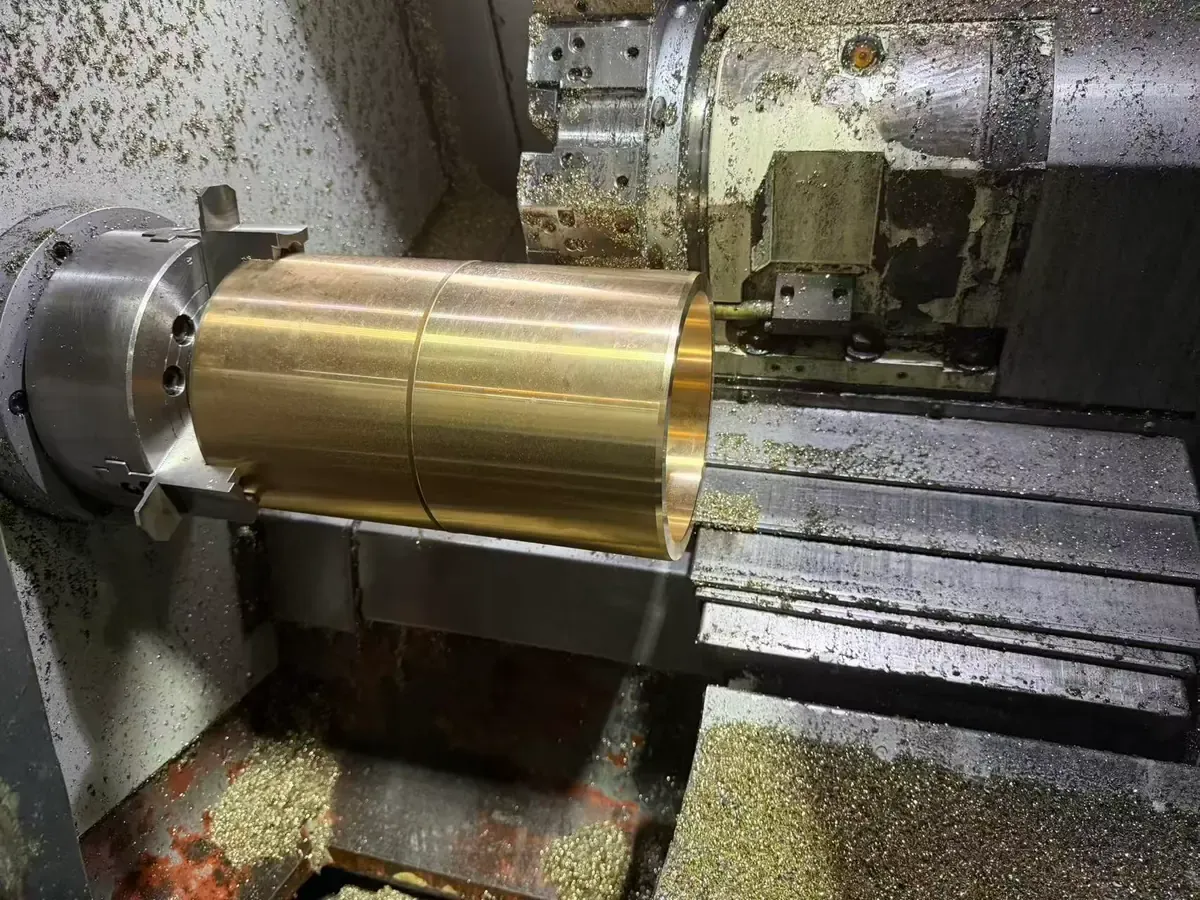
C36000 (CuZn39Pb3, CW614N) is the standard machining brass: 3 % lead makes chips break short so it turns at rating 100, twice the speed of C93200 bronze, and it is cheaper per kilogram. As a bearing it is a compromise: hardness comes from zinc rather than from a bearing structure, so against a steel shaft under load it galls and wears faster than SAE 660 and its debris is abrasive; in water above about 15 % zinc it dezincifies unless an inhibited grade is chosen. It is the right material for spacers, guide bushings, low-load pivots that move rarely, thrust washers under light load, and parts where machining cost dominates.
Where a brass bushing has failed in service, the answer is almost always bearing bronze in the same envelope: C93200 for general duty, C93700 for poor lubrication. The comparison article gives the numbers.
High-strength brass C86300
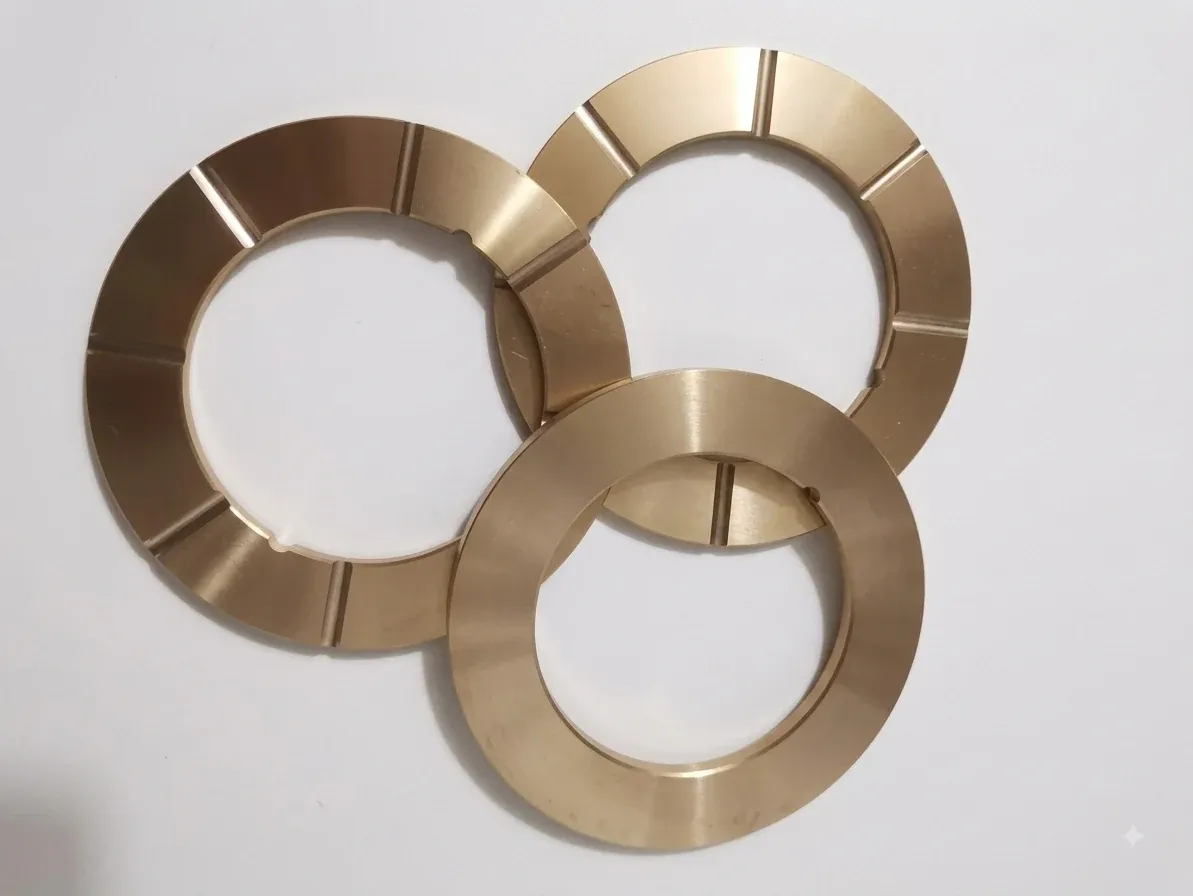
C86300 (SAE 430B, CuZn25Al5Mn4Fe3-C, CC762S) is sold as manganese bronze but is a brass: 25 % zinc with 6 % aluminium, 3 % manganese and 3 % iron. The result is 758 N/mm² minimum tensile and 225 HB, harder than any bronze. It carries extreme specific loads at very low speed, in presses, rolling mills, crushers, large gates and heavy lifting equipment, provided the shaft is hardened to at least 300 HB, alignment is good and lubrication is reliable, because it neither embeds dirt nor smears when the film fails. It is also the base metal of the graphite-plugged 650 series, where solid-lubricant plugs supply the lubrication it cannot provide itself.
| JBM series | Alloy | Designations | Nominal composition | Hardness | Tensile | Machinability | Use |
|---|---|---|---|---|---|---|---|
| JBM-640 | C36000 | CuZn39Pb3 · CW614N | Cu 61.5 · Zn 35.5 · Pb 3 | 80–130 HB | 340–500 N/mm² | 100 | Light-duty guides, spacers, washers |
| JBM-630 | C86300 | SAE 430B · CuZn25Al5Mn4Fe3-C · CC762S | Cu 63 · Zn 25 · Al 6 · Mn 3 · Fe 3 | 225 HB | 758 N/mm² min. | 8 | Extreme load, very low speed, hardened shaft |
| JBM-600 | For comparison: C93200 | SAE 660 · CuSn7Zn4Pb7-C | Cu 83 · Sn 7 · Pb 7 · Zn 3 | 65–75 HB | 240 N/mm² | 70 | General bearing bronze |
Published standard values (ASTM B16 / B505, EN 12164 / 1982). C86300 copy owner-approved; bearing limits are issued with the quotation. Both brasses belong to the JBM-600 series of machined copper-alloy bushings; part number: series + bore-OD-length in mm, e.g. JBM-630 60-75-60.
Sizes
Brass bushings, washers and spacers are machined to drawing in metric and inch dimensions from Ø3 to Ø1000 mm; there is no standard size series. Flanged (suffix F), stepped, threaded, slotted and knurled forms and thrust washers (suffix WC) are routine: JBM-640 20-25-20 is a Ø20 × Ø25 × 20 mm free-cutting brass sleeve, JBM-630WC a C86300 thrust washer.
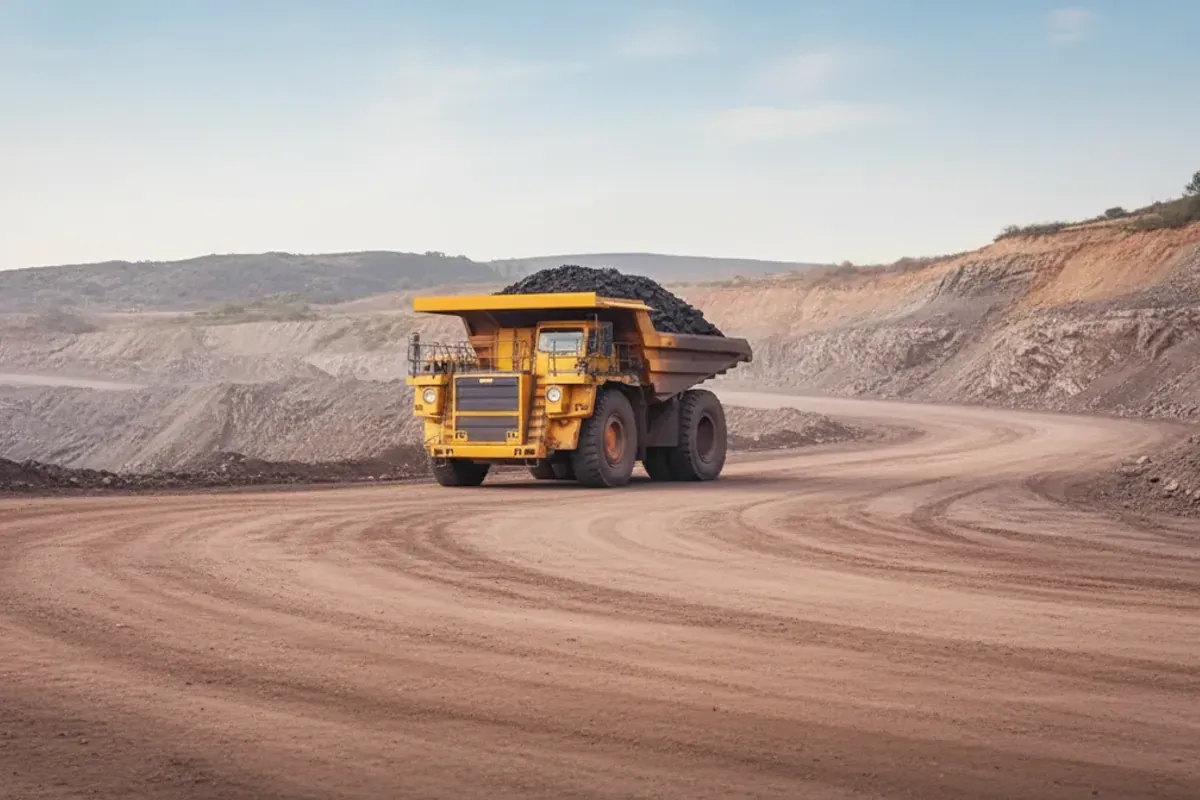
Where brass bushings are used
Light-duty machined parts everywhere; C86300 in the heaviest slow joints.
Frequently asked questions
Brass or bronze bushing?
Bronze for any loaded sliding surface: better wear, embeds dirt, no dezincification. Brass where machinability and price matter more than wear life: spacers, guides, low-cycle pivots. C86300 high-strength brass is the exception, for extreme loads at near-zero speed.
Is manganese bronze a brass?
Yes. C86300 “manganese bronze” is a high-strength brass with 25 % zinc and 6 % aluminium. The trade name is misleading; specify the UNS or EN number.
Do brass bushings corrode?
Free-cutting brass dezincifies in water, especially warm or chlorinated water, leaving a porous copper skeleton. Use a dezincification-resistant grade, or bronze, for wet service.
What load can a brass bushing carry?
C36000 has no published bearing rating and is used at light loads with lubrication. C86300 carries extreme loads at very low speed on a hardened shaft; figures are given with the quotation.
Do you make brass bushings to drawing?
Yes, Ø3–1000 mm, metric and inch, in C36000 (JBM-640), C86300 (JBM-630) and other brasses on request. Samples are free and there is no minimum order.
Send the drawing and the duty.
We confirm brass or bronze for the job and quote within 12 hours. Samples are free and there is no minimum order.